State summary

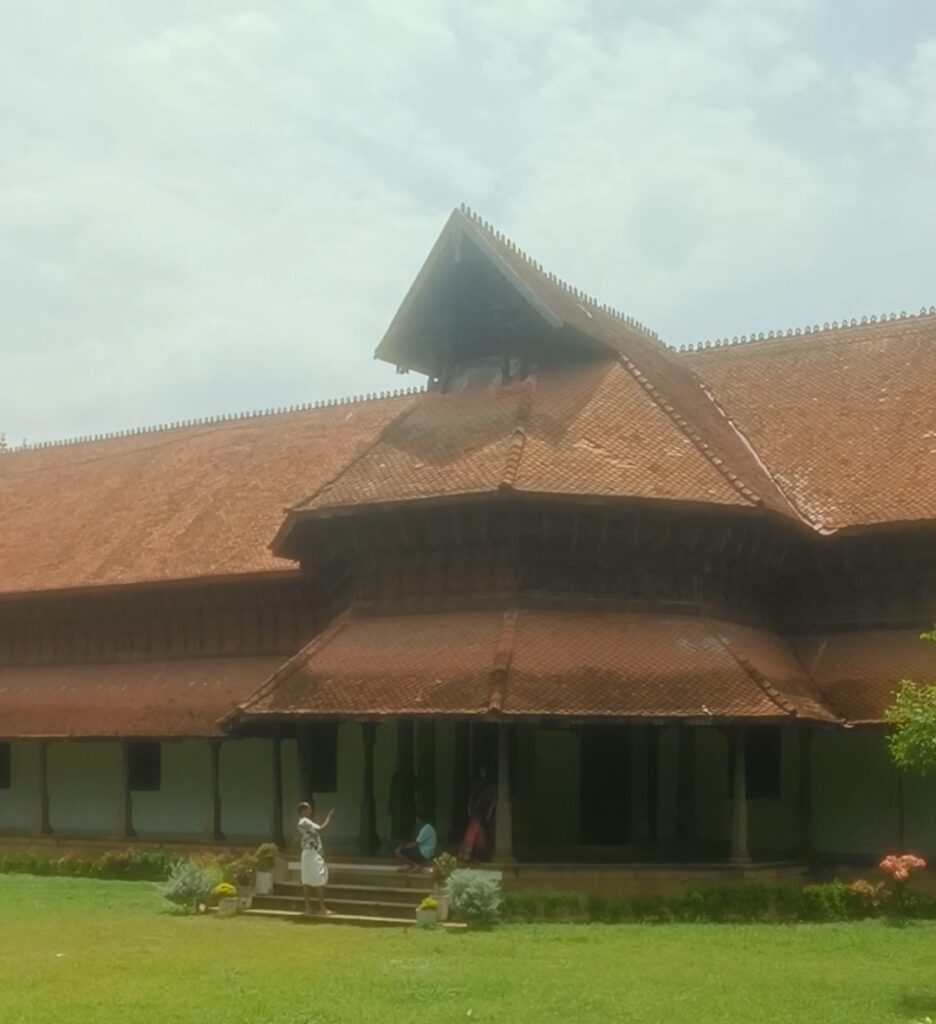
Travel Kerala

Read this before travelling to Kerala

Often called God’s Own Country, Kerala is a place that truly feels like nature’s masterpiece. For those who haven’t had the chance to visit, imagine the lush greenery of the Western Ghats, the deep blue of the Arabian Sea, rows upon rows of coconut trees, the ever-present humidity, and the unmistakable rhythm of monsoon rains.

From the outside, most people’s impressions of Malayalis include their dominance in the bakery business, a strong diaspora in Gulf countries, a knack for creating simple yet profound films, and a noticeable presence in nursing. You’ll often find them living in tight-knit communities, known for their thick black hair and a distinct accent. But there’s so much more to Kerala than these widely held perceptions.

Read this before travelling to Kerala Read More »
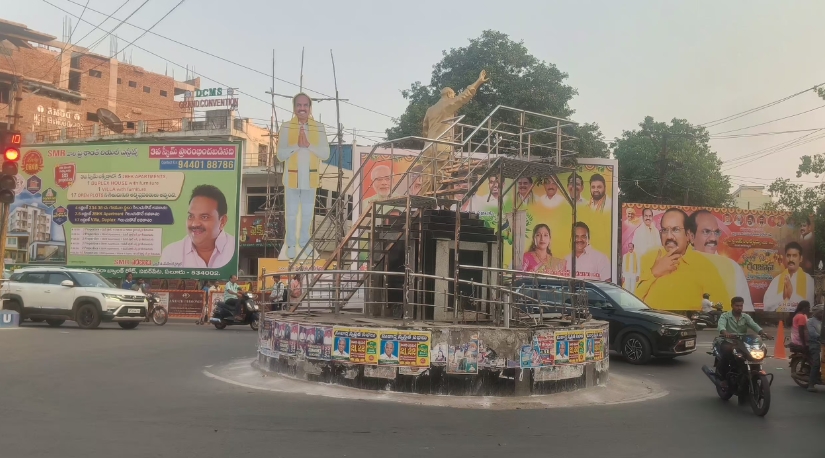
Travel Andhra Pradesh

Read this before travelling to Andhra Pradesh

After exploring Telangana previously, I was struck by the similarities Andhra Pradesh shared with its neighboring state. However, as I traveled through Andhra Pradesh, I noticed distinct differences. One of the most notable contrasts was the state’s advanced development, particularly its impressive road network. The regions surrounding the Godavari and Krishna rivers were remarkably well-developed, with thriving agriculture.
I also observed a difference in the way people communicated. In northern Andhra Pradesh, locals spoke in a more respectful tone, often using plural notation to address each other. This was a departure from my experience in Telangana.

Read this before travelling to Andhra Pradesh Read More »

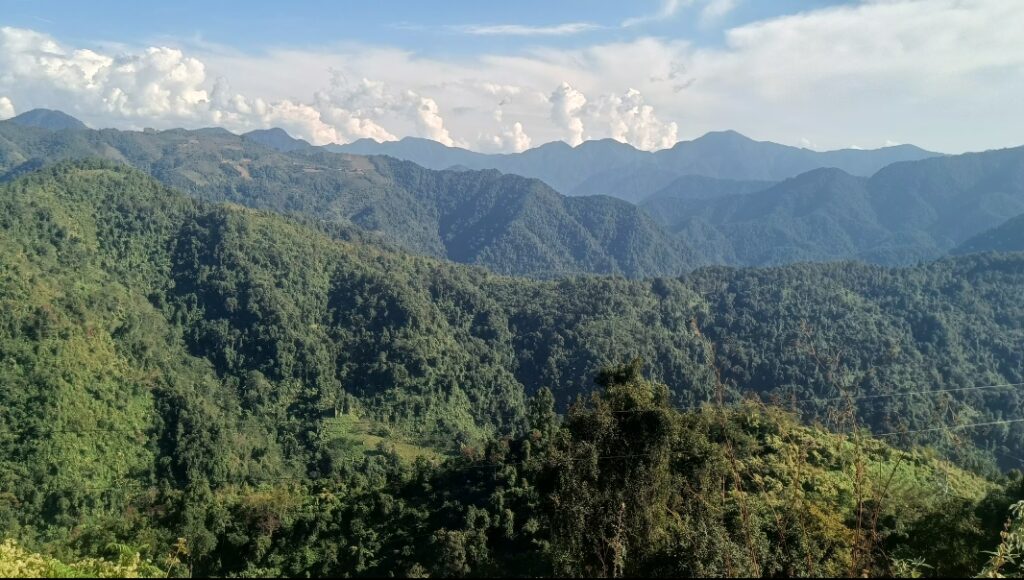
North East India

Read this before travelling North East India

Read this before travelling North East India The Northeast of India remains one of the least explored yet most diverse regions of the country. Despite covering just 8% of India’s land area, its cultural, geographical, and ethnic diversity rivals—or even surpasses—the rest of the nation. From towering Himalayan landscapes to lush valleys and vast plains,

Read this before travelling North East India Read More »

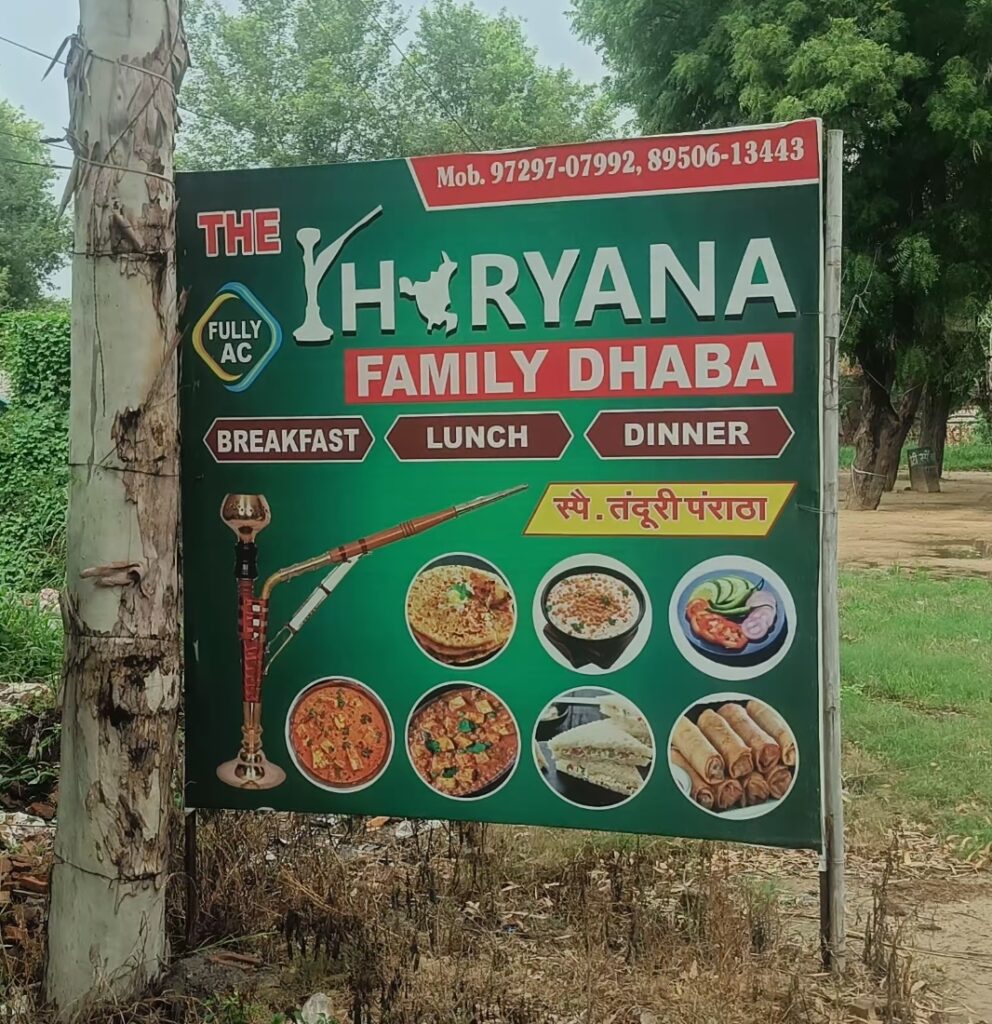
Travel Haryana

Things I got to learn travelling Haryana on a cycle

Haryana, separated from Punjab in 1966, shares more cultural similarities with its neighboring state Rajasthan than with Punjab. As a predominantly Hindu state, Haryana takes pride in preserving its traditions and is considered one of the most developed northern states. Situated next to rapidly growing cities like Chandigarh, Gurgaon, Delhi, and Ghaziabad, Haryana benefits from greater opportunities in education and employment along with better infrastructure compared to some of its neighboring regions. The state is also famous for its rich culinary tradition, marked by the heavy use of dairy, and for producing some of India’s finest athletes who have excelled on the global stage.

Things I got to learn travelling Haryana on a cycle Read More »

Travel Jammu and Kashmir

Jammu and the KASHMIR truth: What I learnt travelling the UT on a cycle

Jammu and Kashmir stands as a unique and complex Union Territory in India, characterized by its distinct regions—Jammu and Kashmir—each with vastly different cultures, demographics, terrains, traditions, and ways of life. This division under a single administration reflects a broader conflict that has strained India’s relationships with both Pakistan and China. The region’s intricate and often turbulent history is mirrored in its present, where the lack of widespread tourism in Kashmir, aside from a few pilgrimage sites, has led much of the public’s understanding to be shaped by media and news outlets, which often have their own biases and agendas.

The true nature of Jammu and Kashmir remains elusive, even to those who attempt to understand it. The region exemplifies the broader political complexities of India, with varying perspectives from the military, civilians, businesspeople, police, government employees, and local residents all contributing to a fragmented view of reality. This diversity of opinion and experience makes it exceedingly difficult to form a cohesive understanding of the situation. Corruption and administrative challenges are prevalent, exacerbated by the region’s immense diversity, which complicates the implementation of uniform policies. Additionally, unemployment in Jammu and Kashmir is notably high compared to other parts of India.

Jammu and the KASHMIR truth: What I learnt travelling the UT on a cycle Read More »

Ladakh culture

Things I got to learn travelling Ladakh on a cycle

When people think of Ladakh, the first thing that often comes to mind is tourism. Known for its stunning Himalayan landscapes, including the Nubra and Zanskar valleys and the breathtaking Pangong Lake, Ladakh is a popular holiday destination. However, there is much more to this region than tourism, aspects of which are often overlooked.
Ladakh is divided into two districts, Leh and Kargil, and only achieved Union Territory status in 2019. These districts are culturally distinct, with Leh being predominantly Buddhist and Kargil largely Muslim. Life in Ladakh is harsh and challenging, far more than one might expect. Situated at an elevation of over 10,000 feet above sea level, the region experiences reduced oxygen levels due to the sparse vegetation and dry mountain landscape. Wind speeds can exceed 100 km/h in many areas, and for about four months each year, heavy snowfall effectively halts daily life, confining locals to their homes.

Things I got to learn travelling Ladakh on a cycle Read More »