
Read this before travelling to Kerala
Often called God’s Own Country, Kerala is a place that truly feels like nature’s masterpiece. For those who haven’t had the chance to visit, imagine the lush greenery of the Western Ghats, the deep blue of the Arabian Sea, rows upon rows of coconut trees, the ever-present humidity, and the unmistakable rhythm of monsoon rains.
From the outside, most people’s impressions of Malayalis include their dominance in the bakery business, a strong diaspora in Gulf countries, a knack for creating simple yet profound films, and a noticeable presence in nursing. You’ll often find them living in tight-knit communities, known for their thick black hair and a distinct accent. But there’s so much more to Kerala than these widely held perceptions.
Kerala, unlike many other parts of India, faced fewer invasions over the centuries. This geographic insulation helped preserve its rich artistic heritage, much like its neighbor Tamil Nadu. The state has inherited martial arts like Kalaripayattu, classical music, intricate dance forms, and temple architecture from powerful dynasties such as the Cheras, Pandyas, and Cholas. Of these, the Travancore kingdom has had the most visible impact on modern Kerala, influencing its administration, culture, and religious harmony.
Today, Kerala stands out for its unique mix of religious communities and its openly communist governance—something rare in the Indian political landscape. It boasts the highest literacy rate in the country and some of the best public healthcare facilities. The state’s government-run infrastructure often sets a benchmark for the rest of India.
Yet, paradoxically, Kerala struggles with job creation. The lack of large-scale industries makes it difficult for outsiders to settle and find meaningful employment. Many government educational and job opportunities are reserved for locals, making access hard for people from other states. Most of the visible migration is in the form of laborers from North India, who often take up manual work. This has resulted in a kind of socioeconomic exclusivity—not rooted in religion, but in class and geography.
From my own travels and experiences, I noticed a subtle unwelcoming attitude towards outsiders, including those from neighboring states. That said, I acknowledge that my understanding is shaped by the way I travel and my personal lens. I’ve made an effort to reduce that bias, but it may still be present. Take this article as one traveler’s perspective. I invite you to add your thoughts or experiences in the comments below and help complete the picture.
History and legacy
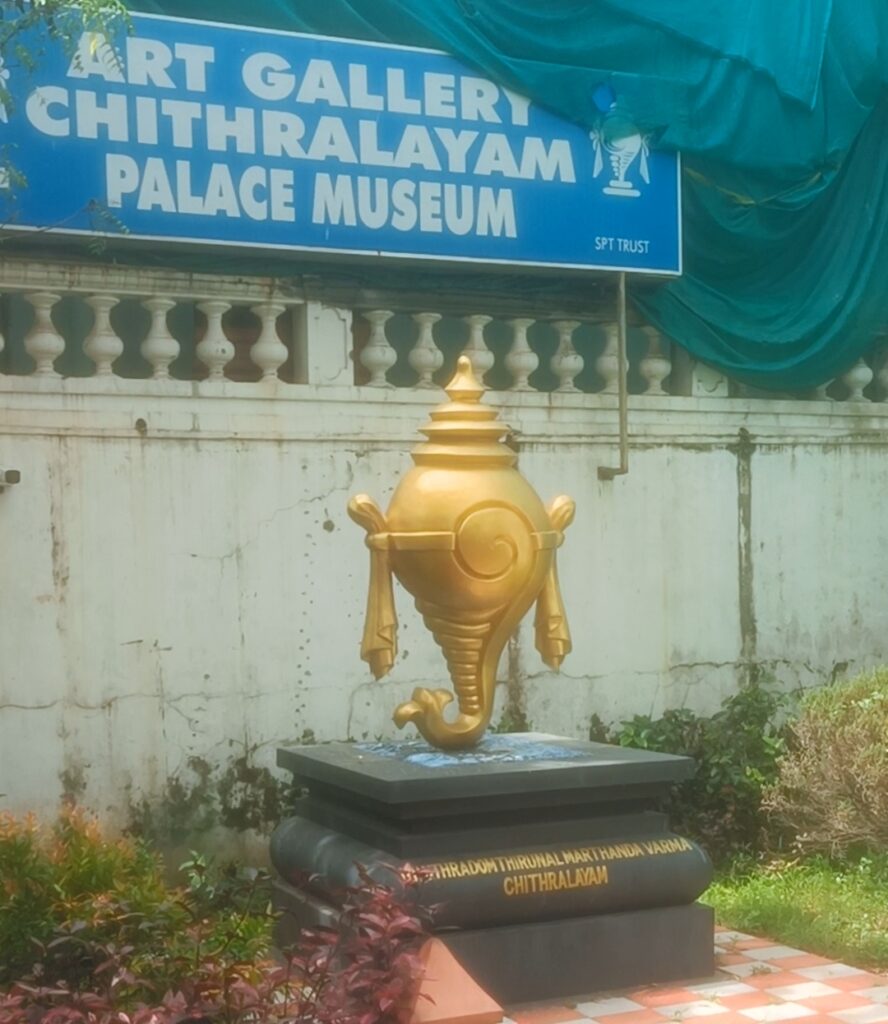
Much of Kerala’s distinct cultural and political identity today can be traced back to the Travancore kingdom, which rose to prominence in the early 18th century. Formally established in 1729, Travancore was headquartered in what is now Thiruvananthapuram, the present-day capital of Kerala. Strategically situated and fiercely independent, the kingdom was strong enough to push back the Dutch in the 1700s—a rare feat in an era when European colonial powers were steadily gaining control over Indian territories.
One of the defining characteristics of Travancore’s rule was its deep-rooted connection to Kalaripayattu, the indigenous martial art of Kerala, often considered the oldest and the “mother of all martial arts.” In earlier times, nearly every family trained in this martial form, and the warrior class known as the Nairs upheld it as a central part of their identity. However, with the arrival of the British and their systematic dismantling of regional military traditions, the practice saw a significant decline.
Travancore also maintained one of the most sacred and wealthiest temples in the world—the Sri Anantha Padmanabhaswamy Temple. Revered for its enormous hidden treasures and spiritual significance, the temple was a symbol of the kingdom’s devotion and administrative discipline. Even today, the royal family of Travancore is intricately tied to the temple’s legacy.
The Travancore royal lineage followed a matrilineal succession system, where power passed from the king to his sister’s son rather than his own. This tradition, deeply rooted in Kerala’s social fabric, reflects the unique matriarchal influence found among certain communities in the state.
Unlike neighboring regions known for their grand stone temples and intricate rock carvings, Kerala developed a distinctive architectural style rooted in woodwork. The reason is geographical—Kerala’s tropical evergreen forests offered an abundance of quality timber. As a result, temple structures, traditional homes (tharavads), and palaces in Kerala showcase detailed wooden carvings, sloping roofs, and aesthetic harmony with the natural environment.
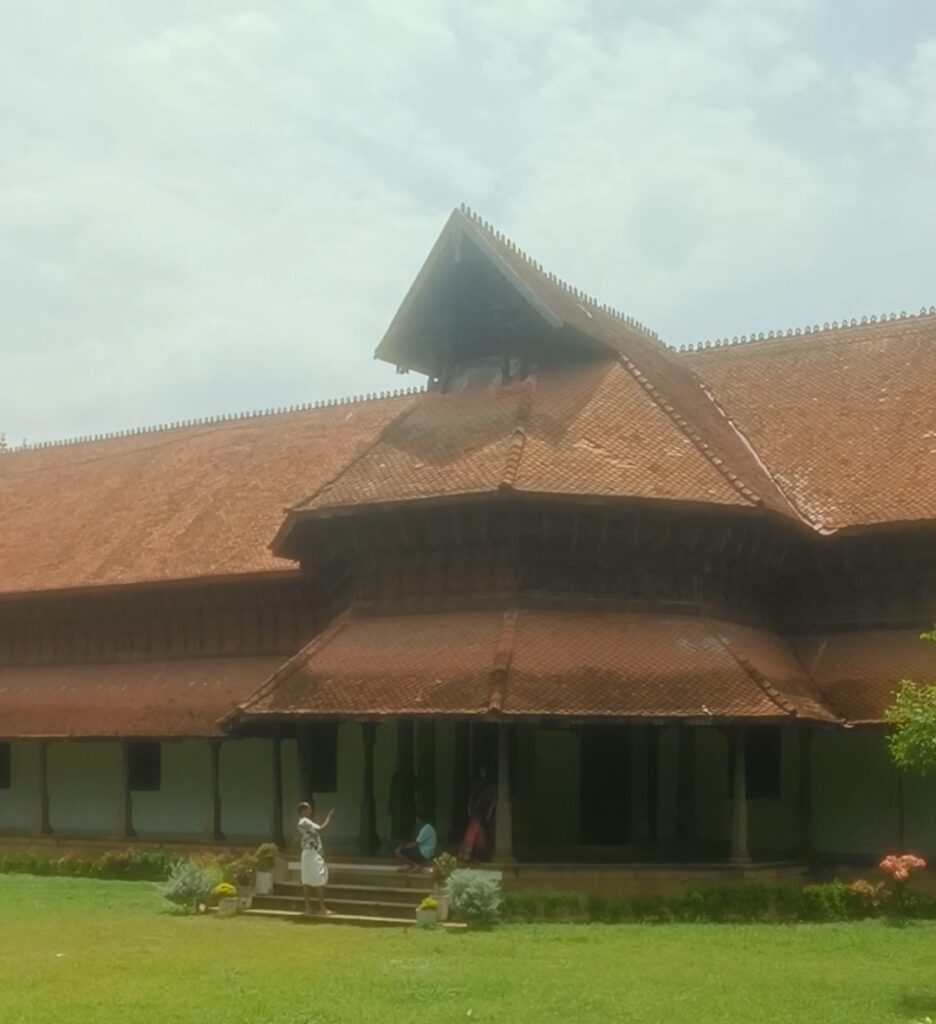
Protected by the towering Western Ghats on one side and the Arabian Sea on the other, Kerala remained relatively insulated from external invasions. This geographic isolation helped preserve its traditions—its martial heritage, religious practices, and art forms—more intact than many other regions in India.
Even today, echoes of the Travancore spirit live on. The Madras Regiment, one of the oldest regiments in the Indian Army, draws lineage from the martial traditions nurtured under the kingdom. Kerala may appear serene and composed on the surface, but beneath that calm lies a long history of strength, resilience, and cultural pride.
Religious harmony and social structure
Kerala holds a unique position when it comes to religious diversity and coexistence. It is home to the oldest Christian communities in India—descendants of the Syrian Christians who trace their origins back to St. Thomas the Apostle. According to tradition, St. Thomas arrived on the Malabar Coast in 52 AD and established seven churches, making Kerala the birthplace of Christianity in India. These early Christians have lived here for centuries, blending seamlessly into the local culture and forming a distinctive identity that is both deeply Indian and proudly Christian.
What sets Kerala apart from the rest of the country is the way its people from different faiths live together. Nowhere else in India did I observe such a low level of religious stereotyping. Hindus, Muslims, and Christians—often living side by side in the same locality—share space and everyday life in a way that feels naturally integrated. Religious festivals are respected across communities, and visible hostility is rare.
That said, Kerala is not without its own social barriers. While religion may not be the dividing line, socioeconomic status often is. The judgment here is subtle but deeply ingrained—people are often sized up by their financial standing, profession, or access to privilege. It was one of the few places in India where I felt religion played a lesser role in identity than class did.
Among the Muslim community, the picture varies by region. In the northern Malabar region, Muslims form a significant part of the population. Here, I noticed a slightly more reserved approach to interaction, perhaps due to cultural conservatism. However, even within this conservatism, Kerala remains one of the very few places where I’ve encountered Muslims who have consciously stepped away from religious practices altogether—something I’ve seen only once before in West Bengal. This quiet secularism is rare in the Indian context.
The Christian community, too, is layered. The coastal Christians, largely from fishing communities, belong to Scheduled Castes and are more recent converts, often affiliated with Protestant denominations. In contrast to the older Syrian Christian families, their social standing remains lower on the traditional ladder, reflecting the underlying class divisions that persist across faiths.
Despite its spiritual richness, Kerala stands in stark contrast to its neighboring states like Tamil Nadu in terms of religious fervor. Here, religiosity seems more private and less performative. But what does stand out, perhaps more uncomfortably, is the quiet but persistent hierarchy of class. One may not be judged for their religion in Kerala, but they will almost certainly be judged for their income, occupation, and social circle.
Literacy, infrastructure, and communism
Kerala’s social structure runs on a unique model that blends strong government intervention with a cooperative, community-driven spirit. It’s one of the few places in India where government-run schools and hospitals consistently outperform their private counterparts. Healthcare and education in the state are on par with global standards—reflected in its impressively low infant mortality rate, high life expectancy, and near-universal literacy. Even in the smallest of towns, healthcare facilities are well-equipped, clean, and accessible. The health index here is among the best not just in India, but globally
The quality of education is also staggering. Literacy is a given—it’s nearly impossible to meet someone in Kerala who cannot read. Even elderly women or beggars on the street are often seen reading newspapers. However, despite this high literacy, a surprising number of people are not fluent in spoken English, often limiting themselves to reading and writing. There is a visible pride in the native language, Malayalam, which continues to dominate public and private spaces.
Much of Kerala’s social welfare approach can be attributed to its communist foundation. Land is cheap, food is affordable, and the overarching philosophy is one of equality—at least in principle. There is a visible absence of extreme poverty, and the government makes a serious effort to provide basic dignity to every citizen. The landscape of the state itself reflects this ideology. Unlike the stark city-village contrast visible in other parts of India, Kerala appears as one long stretch of extended suburbia. Houses are spaced out, each with their own yard or garden, and land is measured in cents instead of square feet—a nod to its agricultural roots. Roads are narrow, winding, and full of ups and downs, but people here drive sensibly and patiently, reflecting a culture of coexistence.
Cleanliness is another standout trait. Even something as humble as a roadside fruit stall is immaculately maintained. Fruits are a common part of the local diet, and stalls selling them dot every road, organized neatly and hygienically. The soil along the roads always seems fertile, with greenery creeping even into the gutter lines—proof of a naturally rich environment.
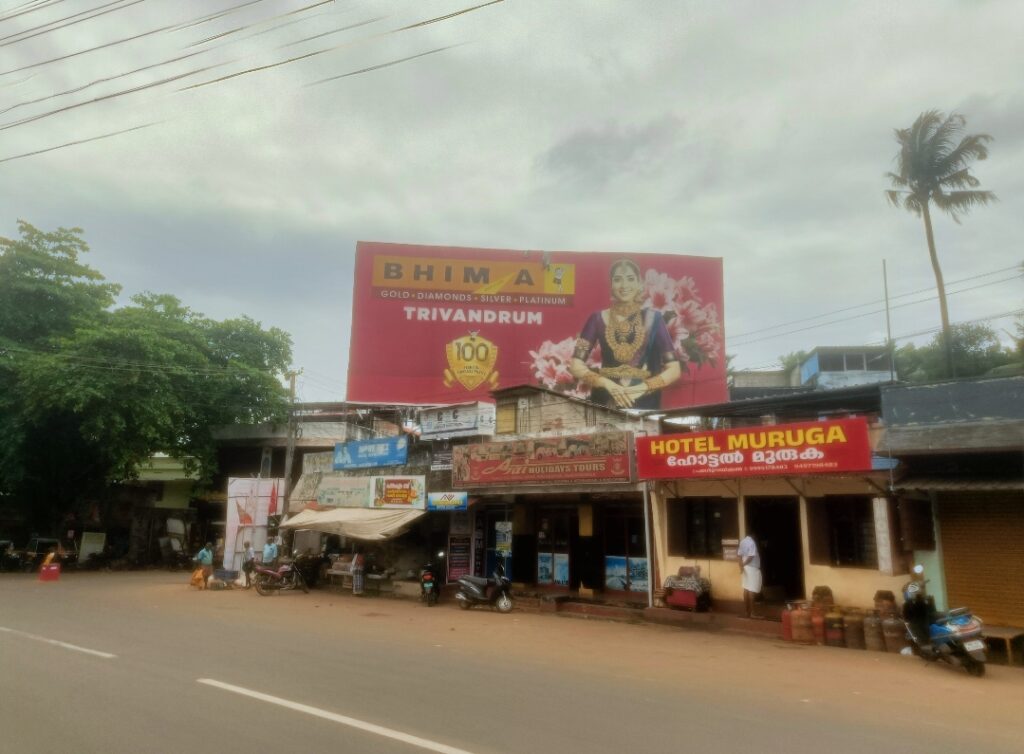
Economically, Kerala is considered a relatively rich state. The heavy presence of jewellery advertisements speaks to the purchasing power of the people. But this surface wealth is not matched by industrial growth. In fact, one of Kerala’s biggest economic challenges is its deeply entrenched trade union culture—a byproduct of its left-leaning politics. While the original intent was to protect workers’ rights and promote equitable distribution of wealth, in practice, trade unionism has become a major roadblock to entrepreneurship and industrial investment.
A telling example is the closure of the Aditya Birla factory in Calicut. Despite running a profit of ₹18 crore, union pressures made it impossible for the company to operate smoothly. The factory, which employed around 6,000 people and was the economic lifeline of the region, eventually shut down and moved operations to Karnataka in 1999. This incident highlights the darker side of Kerala’s socialism—where sharing of wealth is prioritized even at the cost of productivity, and hard work sometimes takes a backseat to entitlement.
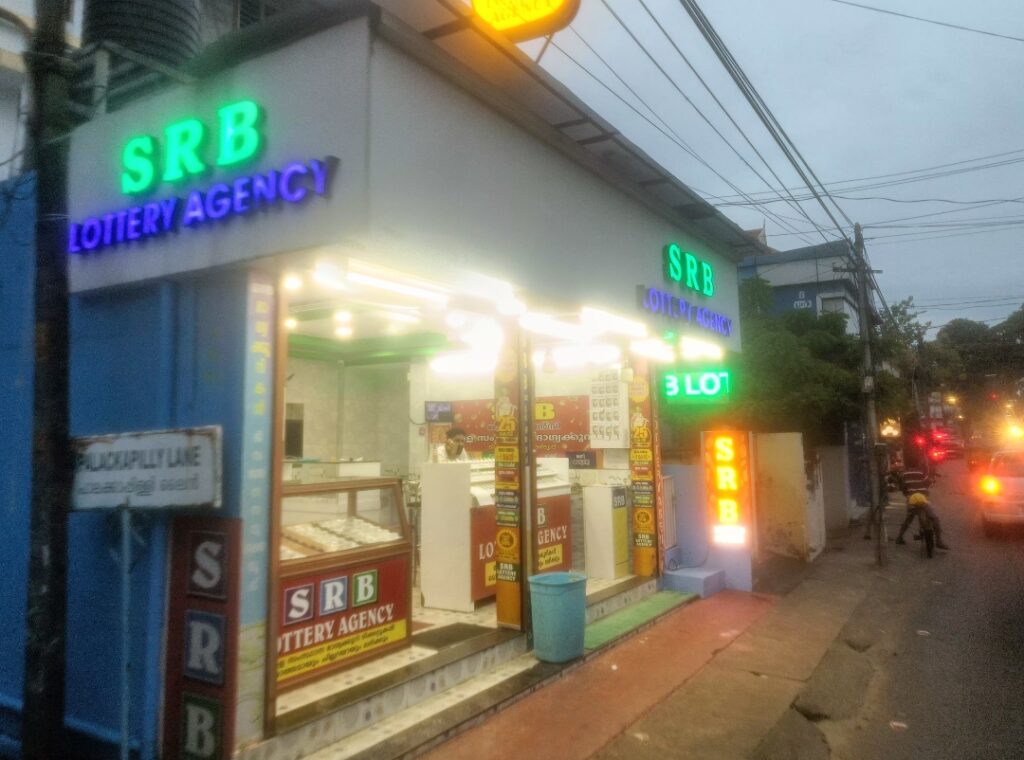
Interestingly, many of these social patterns find an echo in Bengal—the only other state with a similar political history. Both regions were major trading hubs with active seaports and cultural fluidity. In both Kerala and Bengal, you’ll find a love for theatre, literature, art, and strong intellectual engagement. Bengalis eat river fish; Malayalis prefer sea fish. Tea shops in both states serve not just chai but conversation, reflection, and politics. Even gambling through state lotteries is a shared vice, part of the cultural fabric rather than a taboo.
Kerala’s public spaces, including museums and heritage sites, are another feather in its cap. These are far better maintained than in most parts of India, though the entry fees for tourists are significantly higher. But the price comes with a promise—the infrastructure is clean, the staff helpful, and the experience usually worth it.
People
Kerala offers much quality at a relatively low cost—a trademark feature of Malayalis. Cleanliness is a noticeable cultural trait here; even fruit stalls and roadside tea shops are kept impeccably tidy. There’s also a strong sense of family and community belonging. If someone’s house is damaged by a storm, it’s not unusual for the entire neighbourhood to come together to rebuild it. This deep-rooted sense of unity extends across families and villages.
At the same time, there are ironies. A Tamil saying goes, “Gambling, women, and alcohol will destroy a family”—and in many ways, Kerala has all three in visible measure. Tea shops are everywhere, offering a range of fried snacks. Coconut oil is used generously in cooking, and bananas are consumed in various forms—steamed, fried, or cooked into meals. Food here is nothing short of an emotion. The ever-present parotta and beef curry is testimony to that sentiment. Even vegetarian restaurants are hard to find, and beef consumption cuts across religions, with even Hindus eating it openly.
Many Malayalis are known for their ability to adjust—living together in a single room, working hard in repetitive jobs, and saving diligently. These very qualities have taken them far, especially to Gulf countries where they build a significant part of their livelihood. They tend to help one another, are tightly knit abroad, and often gain respect through careers in nursing and healthcare. Many of them hold strong self-esteem and take great pride in their work. However, once they return home, they tend to revert into their conservative shells, bound strictly by social structures. While Malayalis are easy to get along with outside Kerala, inside the state, the mindset is often rigid and traditional.
This outward migration has come at a cost. Agriculture is slowly being neglected, with banana plantations in decline and monocropping practices replacing the once-lush biodiversity of the region. Today, large stretches of Kerala’s forests are being cleared for rubber plantations in the south and coconut groves in the north. While the landscape regenerates quickly due to the tropical climate, the ecological balance is shifting fast.
The state’s revenue sources come primarily from three fronts—government jobs, local businesses, and foreign remittances. Government service remains a top choice due to job security. Business, particularly in the gold and jewellery industry, thrives here with names like Kalyan, Malabar, Bhima, Joyalukkas, and Josco leading the way. Thrissur especially is known for its culture of gifting one kilogram of gold at weddings. Meanwhile, foreign remittances, particularly from the Gulf, form a major pillar of the state’s economy. Many Malayalis working abroad are in nursing, a profession they believe gives them dignity and respect—two qualities they fiercely guard. Still, some who face discrimination abroad find comfort in bonding with other Keralites and return with stories of pride and pain.
This success, however, has come with internal tensions. There is a visible brain drain with a major portion of the working population aged 30 to 50 living abroad. Back home, migrant workers from Bihar, Bengal, and Assam have filled the labour gaps. These workers have even picked up the Malayalam language, but they are still looked down upon by the locals, often seen as inferior simply because they belong to the “labour class.” This classism runs deep. Respect in Kerala is often transactional—offered to those with money or influence. People are hot-blooded, and there’s little regard for those without purchasing power. Even gold, a status symbol here, is worn on the feet in some cases.
Despite the rigid social structures, the general public tends to follow rules. Almost everyone wears helmets, honking is minimal, and the police conduct themselves fairly. Cheating and dishonesty in daily dealings is rare. There’s also a sense of fear towards vice—smoking, alcohol, and drugs are looked at with suspicion, and anti-drug campaigns have wide public support.
The Keralite psyche carries a certain detachment too, captured well in a popular Malayalam saying: “Kaattile thadi, Thevarude aana, Valiyedaa vali”—”The wood is from the forest, the elephant belongs to the temple, the pain is ours.” It reflects a mindset of not taking responsibility for what lies outside one’s immediate community, a kind of collective indifference when it comes to public or shared matters.
Kerala, as I saw it, is a place where quality of life and order are balanced with a rigid and often discriminatory social order. The land is fertile, the people capable, the community strong—but the mentality is difficult to penetrate. For the first time, I felt a place could be materially successful and still feel emotionally or socially constrained. The agitation in people’s minds was evident, and yet their strict adherence to existing structures kept them locked in. I had reasons both to love Kerala and to feel frustrated by it. If you’ve had a different experience or would like to add to this, feel free to share your thoughts in the comments. If you enjoyed this article, do check out the rest of my travel experiences on this page.https://cycletourindia.com/state-summary/

I am a 31 year young PhD graduate who has decided to travel the length and breadth of India on my cycle, to document the journey of meeting a vast array of people. In my journey, I intend to understand the characteristic features of the people of this nation and categorize them based on their demographics, age, profession, gender, traditions, and cultural differences.